Launch Date: May 2025
Geography: Sydney, Australia
Founder: Kathryn Carter, Founder + CEO
2026 Full Year Projected Revenue: $2M - $5M, according to industry estimates
Primary Category: Wellness
Funding: Self-Funded
Primary Distribution Channel: DTC
Other Distribution Channel: Independent Retailers
Key Retail Partners:
2026 Projected Offline Distribution Points: 350
MyPause Health was born from a very personal experience. In my late 30s, I started experiencing symptoms I couldn’t explain: poor sleep, anxiety, brain fog, weight changes, low energy, and the strange feeling that my body had quietly started freelancing without my permission.
Like so many women, I realized how little support, education, or modern solutions existed for women navigating perimenopause and menopause. After 20 years in corporate and technology, I did what many would consider either brave or slightly unhinged: I quit my job to build the brand I wished had existed for me and millions of other women.
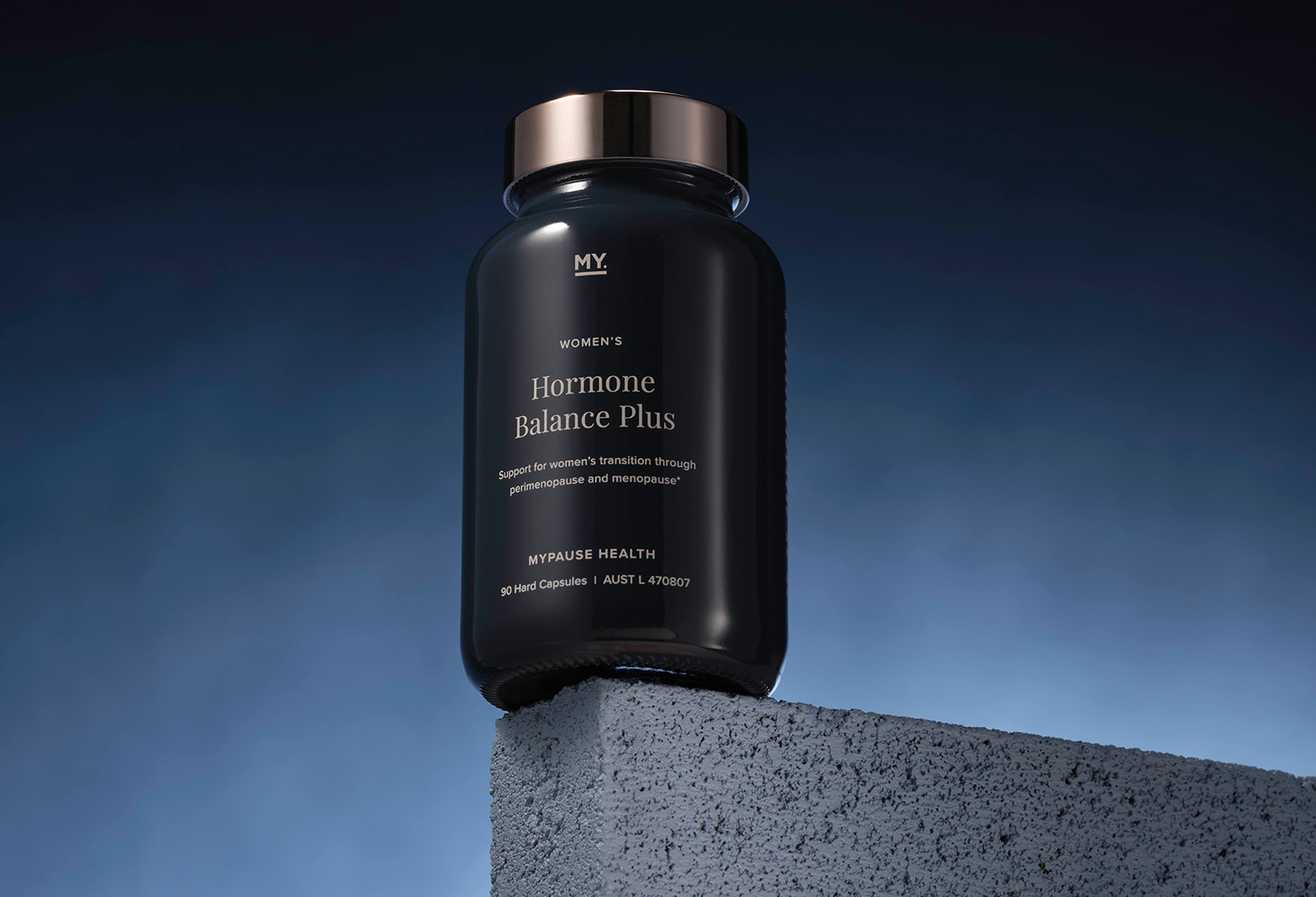
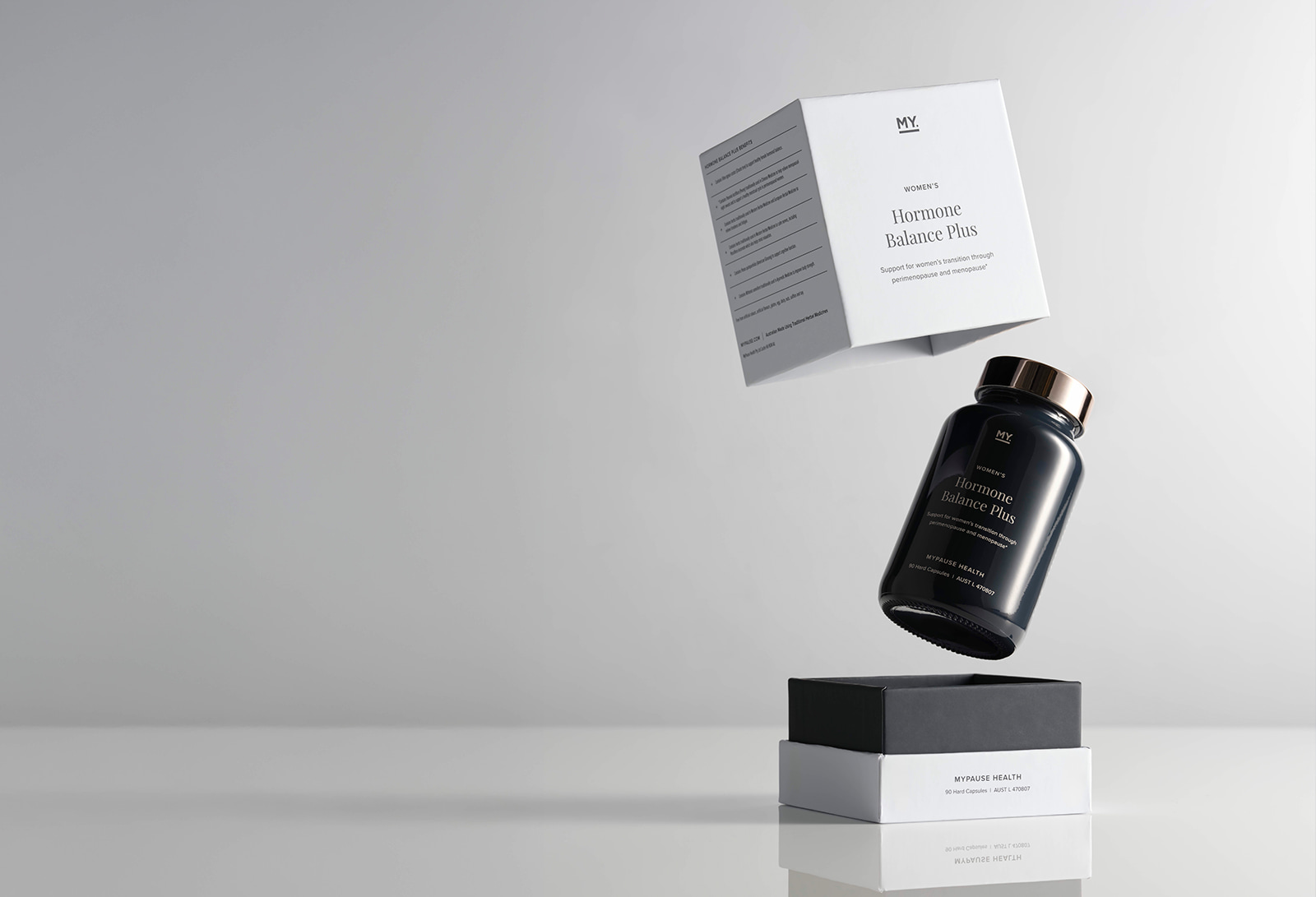
What I found was outdated messaging, confusing formulations, and products that felt stuck in another era. So I created MyPause Health, a premium Australian wellness brand designed specifically for women 40+.
Today, MyPause Health offers what we believe is one of the largest ranges of natural symptom support solutions globally for women navigating perimenopause and menopause. In our first year, we’ve built a passionate community, served thousands of customers, and expanded into retail partnerships, proving the demand for a more modern approach to women’s health.
Insights: Kathryn Carter, Founder + CEO
Why now and why you?
Women’s health, particularly perimenopause and menopause, is finally having its “wellness meets cultural conversation” moment. For decades, women were expected to quietly push through symptoms while the category remained overlooked, clinical, and frankly, badly branded.
Today, women are demanding better. They want education, transparency, premium products, and solutions designed specifically for them, not repurposed products with “menopause” added to the label.
Why me? Because I’m the customer. I built MyPause Health while navigating this stage myself, and I understand both the emotional and practical side of what women are experiencing. My background in technology and business also gave me a different lens on the opportunity: This isn’t just a supplement brand; it’s the modernization of an entire category.
I also had enough corporate burnout to be dangerously motivated.
What fuels your competitive advantage?
Our competitive advantage is the combination of authenticity, product breadth, and brand execution. We’ve built what we believe is one of the largest natural symptom support ranges globally for women navigating perimenopause and menopause, allowing us to support women across hormones, sleep, cognition, energy, gut health, metabolism, skin, hydration, and bone health rather than offering a one-size-fits-all solution.
We also approach the category differently. Many brands in this space still rely on fear-based marketing, exaggerated promises, vague claims, and under-dosed ingredients. We made a very intentional decision not to prey on women at what is often one of the most vulnerable and confusing stages of their lives.
You won’t see us saying “take this and your life will change overnight.” We believe women are smart. They deserve honesty, transparency, education, and products formulated with integrity not shock tactics designed to exploit desperation.
That philosophy has shaped everything from our formulations and branding to the way we communicate with our community. We speak to women like real people not patients, and we create products they are genuinely proud to use and display in their homes.
What’s your proudest accomplishment to date?
Honestly, building a brand that women genuinely feel seen by. In our first year, we’ve grown from an idea born at my kitchen table into a rapidly growing brand with thousands of customers, a deeply engaged community, and expanding retail partnerships. But the thing I’m most proud of is the messages we receive daily from women saying things like, “I finally feel like myself again,” or “I thought I was just failing at life.”
That’s when you realize this is much bigger than supplements.
Personally, this journey has also taught me a huge amount of humility. After 20 years in senior corporate and technology roles, there’s something very grounding about going from boardrooms and strategy decks to packing boxes in a warehouse, answering customer emails late at night, and personally stressing over whether labels will arrive on time.
It has reminded me that no job is beneath you when you truly care about what you’re building.
I’m also proud that we’ve helped modernize the conversation around menopause and made it feel less clinical, less embarrassing, and a little more human.
What is the one thing you wish someone had told you?
That building a business is basically a never-ending cycle of simultaneously feeling wildly confident and completely delusional. More practically, I wish someone had told me how emotionally intense founder-led businesses can be. When your brand is tied to your personal story, every win feels incredible and every setback feels oddly personal.
I also underestimated how important resilience is. Products can change, strategies can pivot, retailers can say no, but your ability to keep showing up consistently matters more than almost anything else. And cash flow. Someone definitely should have explained cash flow with more urgency.
What would you tell your past self before starting this journey?
You do not need to have everything figured out before you begin. I spent far too much time thinking I needed the perfect strategy, perfect timing, perfect branding, perfect plan. The reality is you learn by doing. Most things can be improved, refined, or fixed later, but you can’t optimize something that doesn’t exist.
I’d also tell myself to trust my instincts more. Some of our best decisions came from listening closely to our customers and ignoring the traditional “rules” of the category.
And finally: buy the larger warehouse sooner. You’re going to need it.
What does success look like in the next 3-5 years?
Of course success includes growth, profitability, global expansion, and building a category-defining brand, but honestly, the bigger opportunity is cultural.
We want MyPause Health to help fundamentally change the way women experience and talk about perimenopause and menopause. Right now, too many women still feel blindsided, dismissed, or embarrassed by what they’re going through. Success for us is helping make this stage feel normal to discuss, better supported, and far less isolating.
Commercially, we want to continue expanding globally, deepen our retail footprint, and become the trusted destination for women 40+ looking for modern, credible wellness support. And selfishly, success would also look like me no longer storing inventory in every spare corner of my house.
What's one industry trend that is overhyped, and what's being overlooked?
Overhyped: wellness marketing built on extremes, miracle claims, and “fix yourself in 7 days” messaging. The industry has become very good at creating urgency, insecurity, and before-and-after fantasy land promises.
What’s being overlooked is the intelligence of the customer. Women, especially in this category, are incredibly informed. They don’t necessarily want perfection or overnight transformation. They want honesty, transparency, education, quality formulations, and brands that respect them enough not to exploit vulnerability for conversion rates.
I also think the industry underestimates how much women want products that fit beautifully into their lives. Function matters, but so does experience, aesthetics, and feeling emotionally understood by a brand.
How do you think the industry needs to evolve?
The industry needs to stop treating menopause as either a medical problem to hide or a marketing buzzword to exploit. Women deserve better research, better education, better formulations, and better conversations. There also needs to be far more transparency around ingredients, dosing, and claims. Too many brands rely on proprietary blends, vague promises, and marketing designed to confuse consumers rather than empower them.
I’d also love to see the category evolve aesthetically. Women in their 40s and 50s are not invisible, fragile, or “past their prime,” yet many brands still market to them that way. This audience is sophisticated, engaged, and economically powerful. The future of the category belongs to brands that combine science, honesty, and cultural relevance.
If you could wave a magic wand, what one wish would you make for your business?
Honestly? More time. There’s such urgency when you’re building a fast-growing business, especially in a category moving this quickly. Sometimes it feels like you’re simultaneously building the plane, flying it, negotiating retail deals, reviewing packaging, answering customer emails, and packing fiber sachets at midnight.
A magic wand would give us the ability to scale without losing the thing that made women connect with us in the first place: authenticity, quality, and genuine care for the customer experience. Also, perhaps a warehouse that magically restocks itself would be nice.